When we think of classical music, we often imagine a concert hall, an orchestra and a serious atmosphere. We may also imagine names such as Mozart or Beethoven. In reality, however, classical music has a much deeper meaning than just famous names and a serious atmosphere. Classical music is not just one musical style. It is a long-standing tradition that dates back to the 11th century. It includes many periods, and each of these periods has its own typical music, composers and songs that have been preserved for years and years for future generations.
_1.jpg)
The main periods of classical music include the Middle Ages, where sacred music was mainly created. Then the Renaissance, where it was mainly about balanced music. The Baroque was particularly rich in serious music and composers such as Bach or Vivaldi appeared. In classicism, music had order, was clear and had its own form. Composers such as Dvořák or Chopin appeared here. In romanticism, attention was paid to emotions, and the composer Dvořák, for example, comes from this period. In classical music of the 20th and 21st centuries, it is about experiments with new sounds and new styles of music.
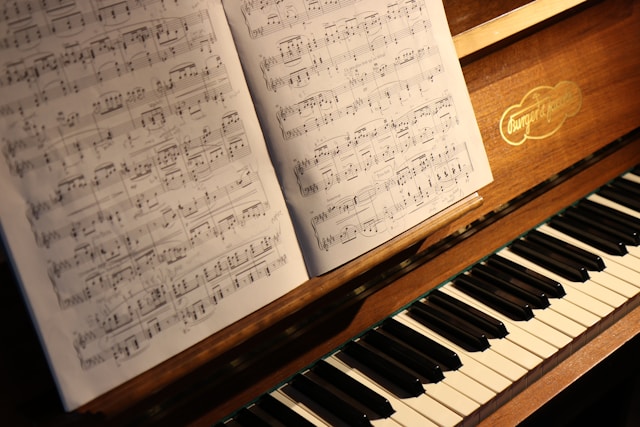
One of the main features of classical music is that it is written down in music notation. The composer determines exactly what is to be played by whom. The melody, rhythm, dynamics and tempo. Although the musician has room for his own expression, he moves within the composer`s notation. This distinguishes it from folk music or jazz, for example, where improvisation is important. If you want to experience classical music for yourself, we recommend that you go to a live classical music concert. And you don`t have to be afraid that you won`t understand it. You don`t have to choose a flashy event in a large theater the first time. A smaller but still high-quality classical music concert, such as Prague music events, will do.